About my blog
This blog https://thecrisprcas9model.blogspot.com, titled "An Informatic Model For DNA Damage Repair" and created by software architect Wadï Mami, explores a fascinating interdisciplinary concept: mapping enterprise software architecture (specifically Spring Batch) to molecular biology (CRISPR-Cas9 gene editing).
Core Concepts of the Model
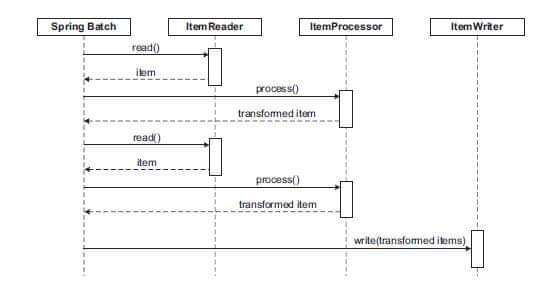
The framework treats the genome as a massive database and views the CRISPR-Cas9 gene-editing complex as a fault-tolerant batch processing job. The traditional Spring Batch pipeline maps directly onto biological mechanics:
- ItemReader & gRNA Scanning: Corresponds to the guide RNA (gRNA) scanning the genomic database to locate the precise target sequence (matching the target keys/items).
- ItemProcessor & Cleavage/Repair: Corresponds to the Cas9 endonuclease performing the targeted cleavage (cutting the DNA strand), followed by cellular DNA damage repair pathways (such as Non-Homologous End Joining or Homology-Directed Repair).
- ItemWriter & Result Persistence: Corresponds to writing or committing the modified genetic sequence back into the chromosomal database.
Key Highlights
- Interdisciplinary Inspiration: Originally conceptualized around 2012 after reading about CRISPR-Cas9 by Jennifer Doudna and Emmanuelle Charpentier and comparing it with Spring Batch sequence diagrams.
- AI-Assisted Development: The author later used modern AI tools (including Gemini, ChatGPT, Grok, and Microsoft Copilot) to generate and refine source code applications available on GitHub (
didipostman/CrisprCas9anddidipostman/CRISPR-Cas9_SpringBatchApplication). - Preprints & Publications: The research and models are documented across various preprints and articles on platforms like Zenodo.

Comments
Post a Comment